Integrated media marketing agency

Integrated Media MarketingOne Campaign Idea.

Connect paid, owned, earned and shared media through one audience strategy, message system and measurement plan.

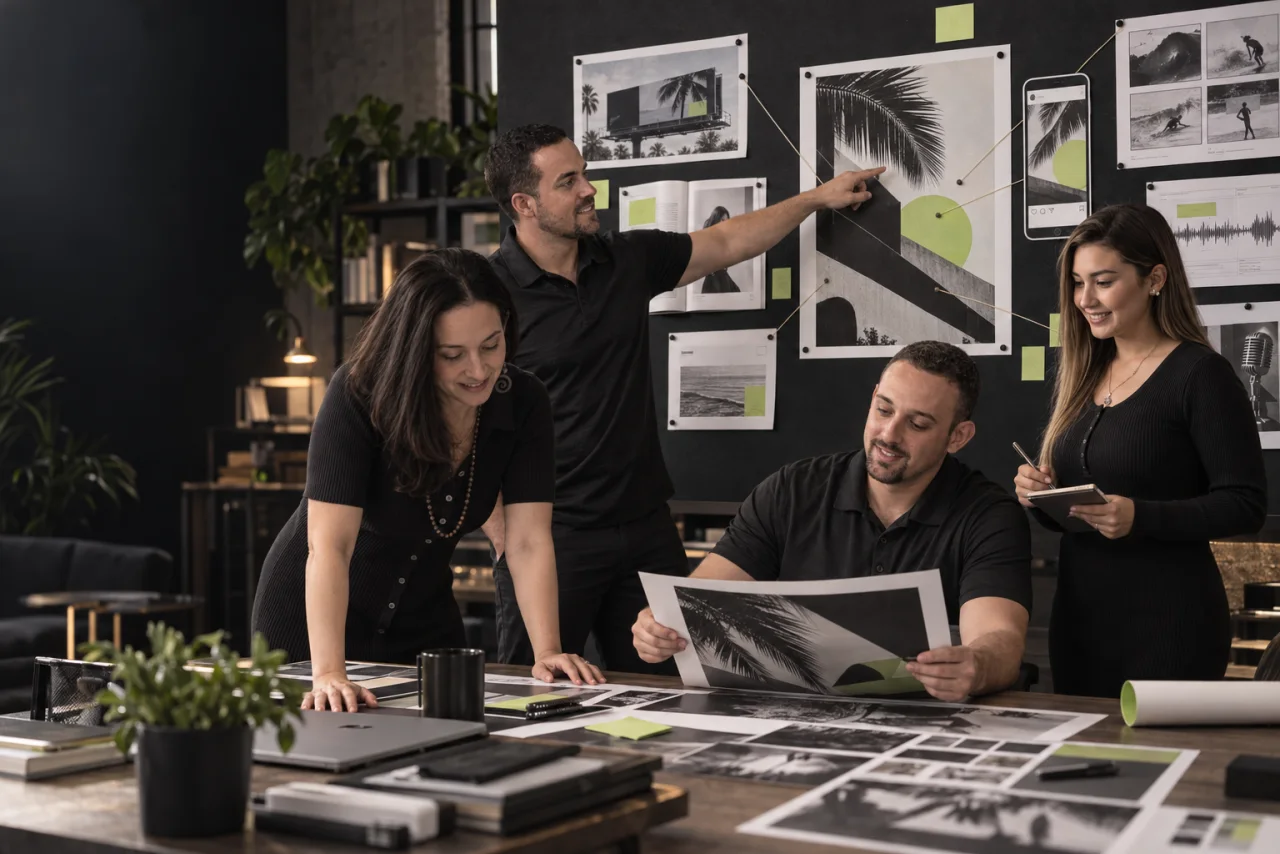
Heyday team coordinating one campaign across outdoor, social, audio, print and video media

One plan from audience insight to business evidence

One campaign ideaDistinct channel rolesAdapted creativeShared measurement

The strategic difference

Integration is coordination, not repetition.

Integrated media marketing gives every useful touchpoint a distinct job while keeping the audience inside one recognizable campaign.

A prospect may first notice an outdoor placement, hear a message in streaming audio, search the brand later, compare proof on the website and finally respond to a retargeting ad or email. Those contacts should not feel like unrelated projects. They should reinforce the same promise, remove different barriers and make the next action easier.

That requires more than selecting channels. Heyday connects audience and market research, campaign architecture, media planning, creative adaptation, landing experiences, tracking and optimization. We define what each channel should accomplish before production or placement begins.

The result is a media strategy that can include digital, traditional, streaming and local opportunities without turning into a channel checklist. Search captures existing intent. Paid social creates and retargets interest. Video demonstrates. Audio builds memory. Outdoor adds physical presence. Public relations earns credibility. Owned content answers the questions that advertising cannot resolve in a few seconds.

When the system is planned together, creative learning travels across channels, budgets can be reallocated with context and reporting can distinguish delivery from meaningful business response.

One campaign system. Four kinds of media power.

Paid, owned, earned and shared media behave differently. The strategy becomes stronger when those differences support the same audience journey.

01

Paid media

Where it livesSearch, social, programmatic, streaming, television, radio and outdoor create controlled distribution.

Its campaign roleUse paid reach to capture demand, introduce the campaign and repeat high-value messages with planned frequency.

02

Owned media

Where it livesWebsites, landing pages, email, organic content and sales materials give the brand room to explain and convert.

Its campaign roleUse owned experiences to deepen proof, answer objections, collect permission and move qualified interest into action.

03

Earned media

Where it livesPublic relations, reviews, coverage, partnerships and credible third-party mentions add context the brand cannot claim alone.

Its campaign roleUse earned attention to build legitimacy, cultural relevance and confidence around the campaign story.

04

Shared media

Where it livesCommunity conversation, creator participation, comments and reposts turn distribution into visible social response.

Its campaign roleUse shared signals to extend useful stories, reveal audience language and create new creative inputs without forcing artificial engagement.

Message architecture

The message stays recognizable. The execution changes.

Running the identical asset everywhere ignores how people use each environment. We protect the central campaign idea, then design the expression around attention, format, context and stage of decision.

PromiseThe concise value the campaign asks the audience to remember across every channel.
ProofEvidence, demonstrations, outcomes, expertise or third-party validation that makes the promise credible.
AngleThe audience, market or decision-stage framing that makes the central idea relevant in a specific moment.
FormatThe visual, audio, video, copy length and pace required by the placement instead of a resized master asset.
ActionThe next useful step, from remembering the brand to searching, visiting, calling, booking or buying.

Campaign governance keeps the system intact.

Integration also depends on practical control. We document approved claims, audience variants, asset owners, specifications, flight dates, destinations and tracking requirements so the campaign does not fragment during production. A clear source of truth helps internal teams, media partners and creative specialists work from the same promise and the same current offer.

For Miami and South Florida campaigns, that coordination can also include language, neighborhood, cultural context, local events, travel patterns and market-specific media opportunities. Local relevance should change the execution only when it makes the central strategy more useful to the audience.

Channel sequencing

Plan the next encounter, not only the first impression.

A coordinated campaign anticipates how attention becomes consideration, how consideration becomes response and how the sales experience confirms the promise.

01

Notice

Create qualified visibility in the markets, moments and environments where the audience is likely to pay attention.

02

Recognize

Repeat distinctive campaign cues across media so later exposure feels familiar instead of disconnected.

03

Understand

Use video, content, landing pages, public relations and sales materials to make the offer easier to evaluate.

04

Respond

Match high-intent channels and focused destinations to calls, forms, bookings, visits or purchases.

05

Continue

Use CRM feedback, email, retargeting and customer content to support follow-up, retention and future demand.

Measurement without false certainty

Connect media signals to business evidence.

Not every effective placement creates a click. We build the strongest practical measurement chain and state where confidence ends.

Delivery

Reach, frequency, viewability, completion and placement data establish whether the planned audience had a reasonable opportunity to receive the message.

Attention

Engaged visits, video behavior, search activity, content use and direct traffic help show whether the campaign created useful interest.

Response

Calls, forms, bookings, store activity, offer codes and campaign destinations connect exposure with observable action.

Quality

CRM stages, sales feedback, lead disposition and customer value separate raw response volume from qualified business opportunity.

Learning

Creative, audience, market and timing comparisons reveal which combinations deserve more investment, adaptation or investigation.

How the program moves

One operating rhythm from brief to learning.

01

Diagnose

Review the business goal, audience, market, sales economics, existing data, creative assets and measurement readiness.

02

Architect

Define the campaign promise, proof, journey, channel roles, budget ranges, timing and success criteria.

03

Produce

Build the central creative system and adapt copy, design, video, audio and destinations to each context.

04

Activate

Coordinate trafficking, media buying, publishing, links, pixels, calls, forms, CRM routing and quality control.

05

Optimize

Use delivery, response quality and business feedback to adjust audience, creative, channel role and investment.

Integrated media marketing FAQs

Practical answers about scope, channel roles, creative coordination and measurement.

What does an integrated media marketing agency do?

An integrated media marketing agency connects audience strategy, campaign messaging, creative adaptation, paid and non-paid distribution, landing experiences, media buying and measurement. The goal is not to appear everywhere. It is to give each channel a defined role in one coordinated customer journey.

What is the difference between media marketing and media buying?

Media marketing defines the audience, campaign idea, channel roles, creative system, journey and measurement plan. Media buying handles inventory decisions, negotiation or activation, trafficking, pacing and optimization. Heyday can connect both scopes, but this page focuses on the wider campaign system.

Can one campaign include traditional and digital media?

Yes. A plan can combine search, social, programmatic, streaming, television, radio, outdoor, print, partnerships, events, email, content and public relations when those touchpoints support the audience and objective. The final mix is based on purpose, not a preset package.

How do you keep the campaign consistent across channels?

We establish a message architecture with one central promise, supporting proof, audience-specific angles, offer and call to action. Creative is then adapted to the context and behavior of each placement while the core campaign idea remains recognizable.

How is integrated media performance measured?

Measurement can combine reach, frequency, branded search, direct traffic, engaged visits, calls, forms, bookings, CRM stages, sales and geographic response. We document what can be confirmed, what is directional and which signals should guide the next budget or creative decision.

Does Heyday create the ads and landing pages too?

Yes. Scope can include campaign strategy, copy, design, photography, video, audio, channel adaptation, landing pages, tracking, trafficking and reporting. Keeping creative, distribution and conversion experiences connected helps reduce the gaps that often weaken an otherwise strong campaign.
Bring us the objective. We will map the media system.

Share the audience, market, timing, budget range and business outcome that matters. We will review the context and recommend a practical integrated approach.

  • Response from the Heyday team within one business day
  • Initial review of message, media and measurement readiness
  • Clear scope for strategy, creative, media and landing experiences

Request your free integrated media proposal

No preset channel package. The recommendation will follow your audience, journey and business objective.

Protected by reCAPTCHA; Google’s Privacy Policy and Terms of Service apply.

What happens next: our team reviews your request and replies within one business day.