Influencer marketing agency in Miami

Creator campaigns built on fit.

Not follower count. We vet and manage creators, rights, content and reporting around a clear campaign objective.

A two-week holiday campaign built for local distribution.

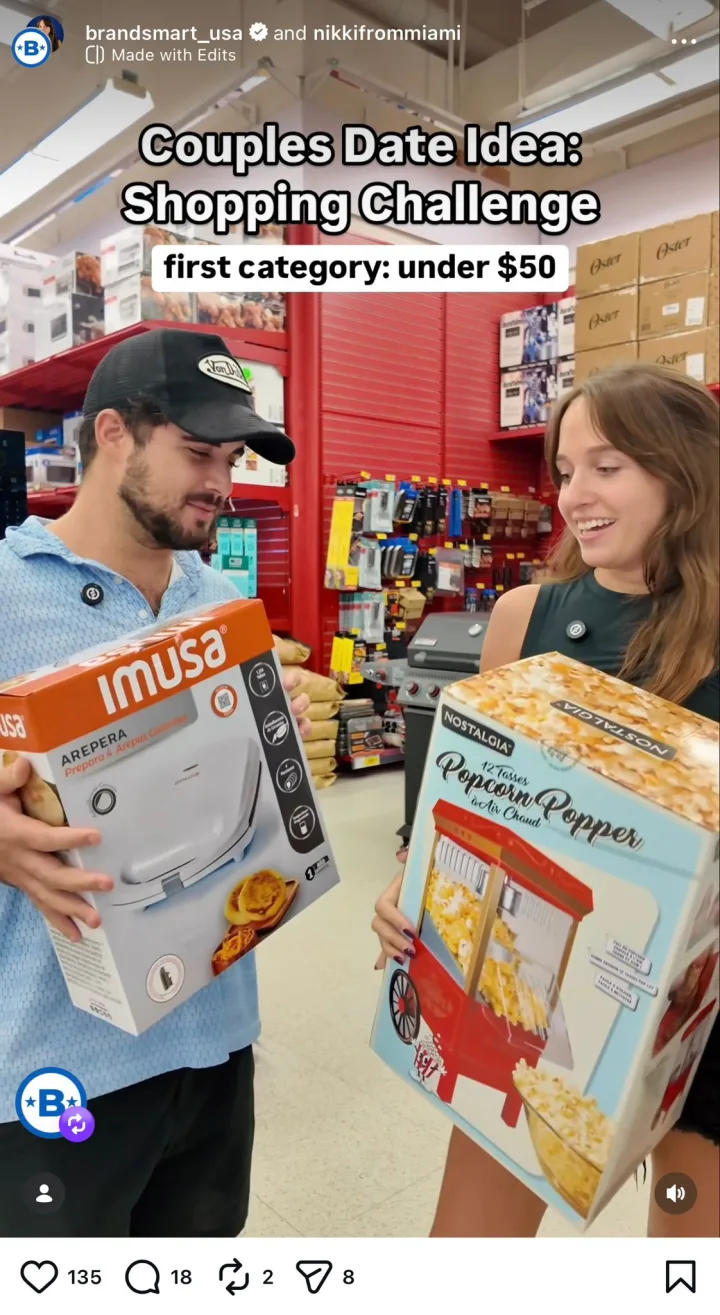
Heyday and A Day in Miami coordinated a creator network for BrandsMart USA during the Black Friday and holiday shopping window. The campaign connected South Florida audience relevance, in-store storytelling and staggered Instagram publishing.

Results below come from the published case study. They describe that engagement and do not promise the same outcome for another brand, budget or market.

Read the BrandsMart USA case study ↗
34creators activated
45content pieces published
751Ktotal campaign views
26.9Kreported interactions

Reach is rented. Relevance is earned.

A creator campaign works when the person, audience, idea, offer and distribution plan belong together. A large following cannot repair weak audience overlap, unclear rights or content that feels disconnected from the creator's normal voice.

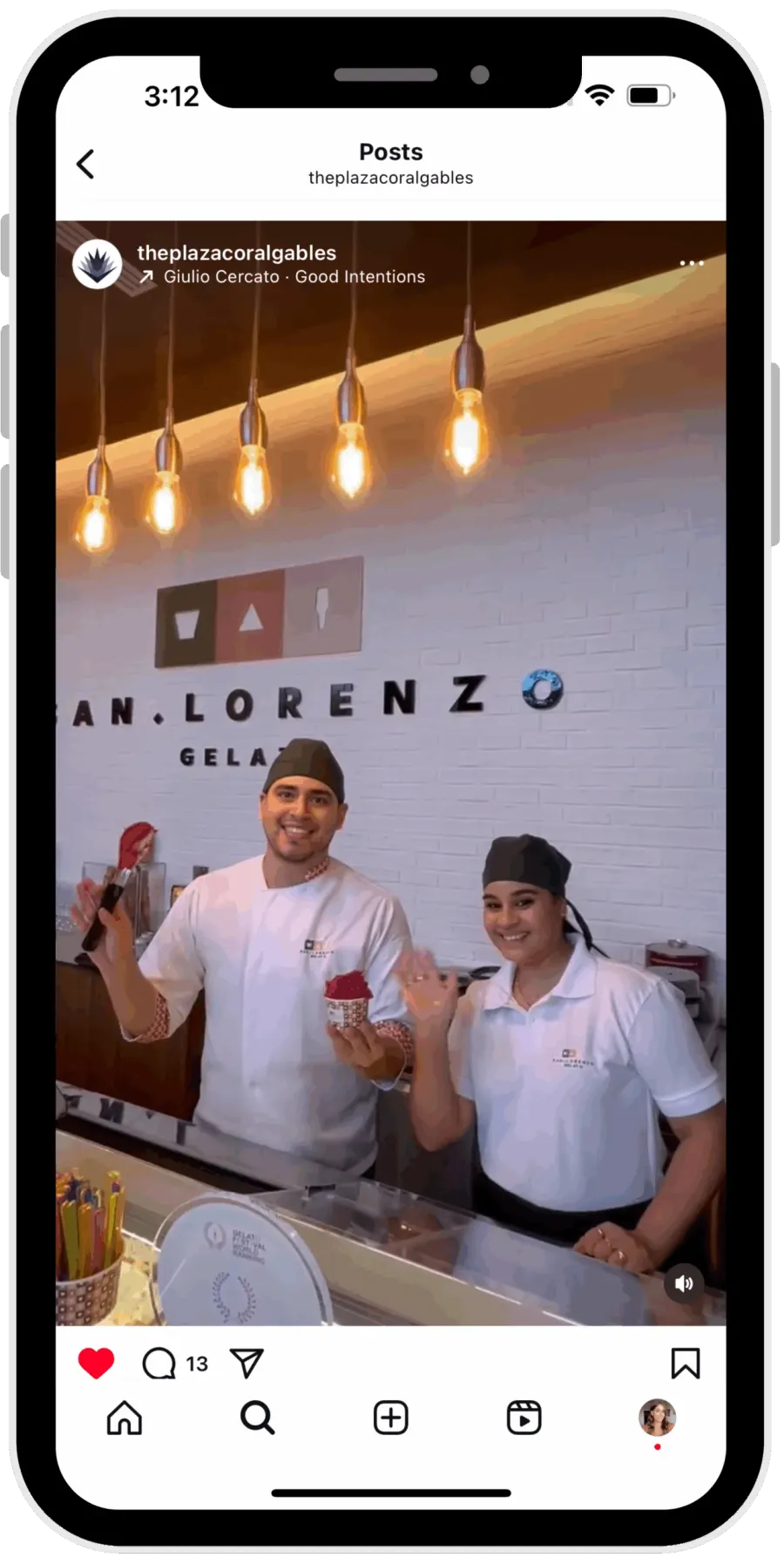
Miami creator content used in a destination marketing campaign

Creator campaigns with a reason to exist.

Product launches, seasonal retail, restaurant openings, destination moments, events, education and community stories each require a different creator mix and content role. We define that job before outreach begins.

Local Miami activation

Creators with real South Florida audience relevance can support openings, events and place-based campaigns. Selection considers geography, language, category credibility, production style and the action the audience can realistically take.

Content plus distribution

A creator post can remain organic, be licensed for brand channels or support paid media. Those are separate uses. Planning the distribution path early prevents a strong asset from becoming unusable after publication.

Different campaign jobs need different creator relationships.

Influencer marketing is not one product. A short launch burst, an event, an ambassador program and a content-production brief require different casting, agreements, timelines and measurement.

Sponsored campaign

A defined group of creators publishes within a coordinated window around a launch, season, offer or priority message. The plan balances audience coverage, creative variety, posting cadence and duplication. It works best when timing matters and every creator has a clear role instead of receiving the same generic script.

Product seeding

Products or experiences are shared with selected creators without treating delivery as guaranteed coverage unless a separate agreement says otherwise. Seeding can help a brand learn who responds naturally, but shipping volume alone is not a strategy. Selection, expectation setting, follow-up and disclosure still need structure.

Ambassador relationship

A longer partnership creates repetition, deeper product familiarity and more useful audience learning. It also requires clear renewal decisions, category exclusivity, content cadence and performance review. The creator should remain credible over time, not become a rotating billboard for unrelated brands.

Creator production

Some creators are hired primarily to produce assets for brand channels or advertising rather than distribute to their audience. Casting then focuses on performance, production fit and content quality. Usage rights, raw files, edits, variants and paid-media requirements become central to the brief.

Discovery and vetting

A shortlist should explain every name.

We do not treat creator discovery as a follower-count spreadsheet. Each recommendation needs a role in the campaign and evidence that the partnership makes sense.

Audience fit

We examine geography, language, interests, age signals, community context and likely overlap with the brand's customer. Platform data has limits, so audience estimates are documented as estimates rather than presented as certainty.

Content credibility

Style, production quality, subject familiarity, comment quality and past brand work show whether the creator can carry the message without forcing it into an unfamiliar format. The right creator should still sound like themselves.

Engagement quality

We look beyond a headline engagement rate. Saves, shares, repeat commenters, view patterns and the relationship between audience size and response provide context. Suspicious spikes or weak comment quality trigger deeper review.

Brand and reputation risk

Previous sponsorships, public content, category conflicts and visible reputation signals are reviewed against the campaign brief. No review can predict every future action, but a documented screen reduces avoidable mismatches.

Operational reliability

Availability, communication, production capability, revision expectations, deadlines, travel and invoicing matter. Campaigns fail when the shortlist ignores whether people can deliver the agreed work on schedule.

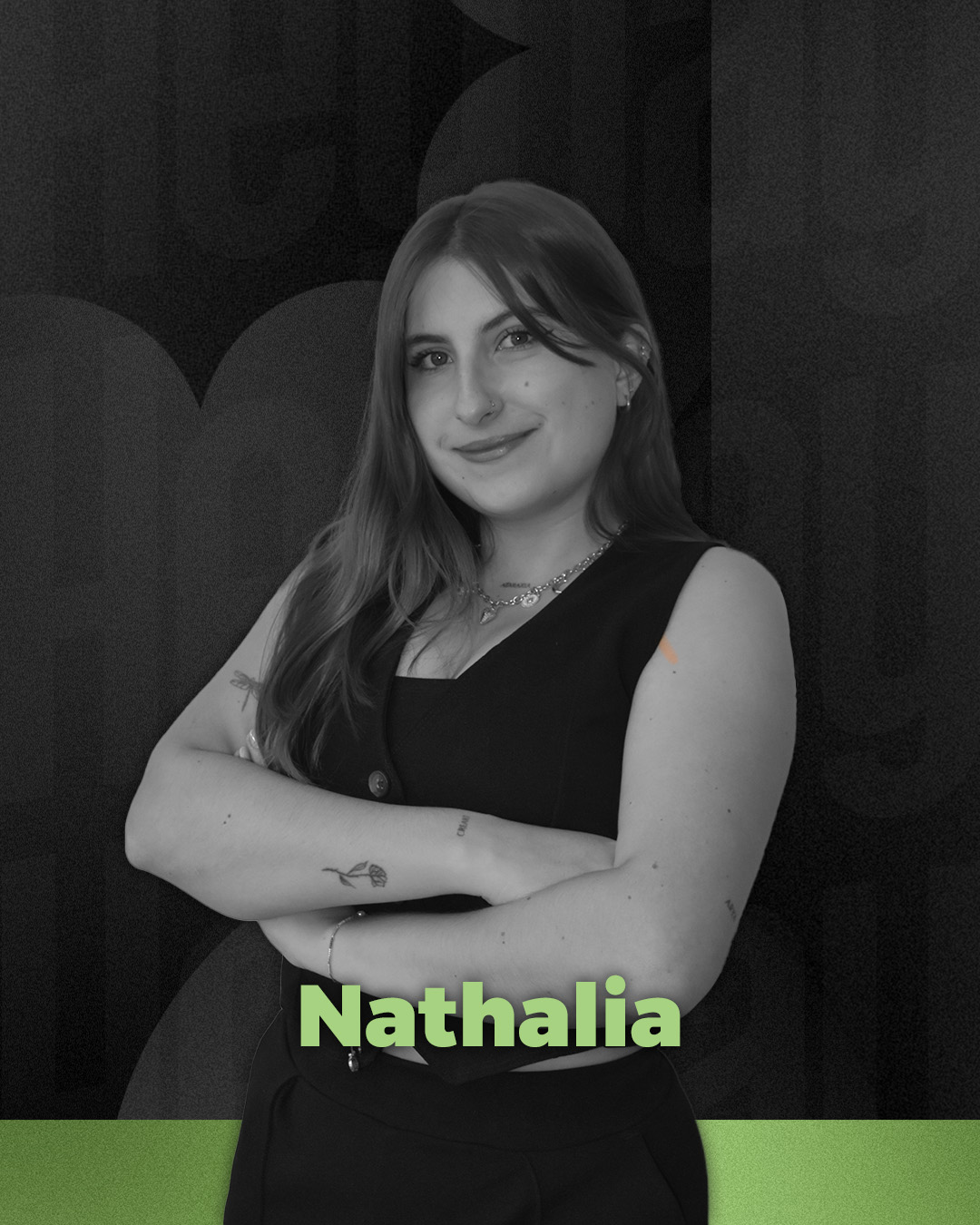
Melisa Romero from Heyday Marketing's creator campaign team Nathalia Romero from Heyday Marketing's creative team

The post is only one part of the asset.

A campaign brief should identify where content may appear, who can edit it, how long it can run and whether a competitor restriction applies. Making those decisions after production creates cost, delay and disagreement.

Creator-channel publishing

Deliverables define format, platform, timing, tags, disclosure, links, talking points and approval boundaries without scripting away the creator's voice.

Brand reposting and owned use

Usage terms should state whether the brand can publish approved content on social channels, websites, email, retail displays or other owned placements.

Paid media and creator-handle ads

Paid usage, partnership ads and similar amplification require the appropriate permissions, duration, channels, territories and access process.

Exclusivity and category conflicts

Any restriction on competing partnerships needs a defined category and time window. Broad, indefinite restrictions create unnecessary cost and ambiguity.

Heyday coordinates commercial campaign terms and workflows. Client legal counsel should review regulated claims, specialized agreements and compliance obligations when appropriate.

One operating plan from brief to report.

Every handoff has an owner, approval point and deadline. That structure protects creator relationships while keeping the brand informed.

Define

Set the campaign objective.

We clarify audience, market, offer, desired action, content role, budget, timing, brand boundaries and measurement. If the goal is awareness, the plan should not pretend every view can be tied directly to revenue.

Scout

Build and explain the shortlist.

Research produces a ranked set of creators with role, rationale, audience context, content examples, known risks and expected commercial range. Client approval happens before formal outreach moves too far.

Agree

Confirm scope and rights.

Deliverables, dates, fees, usage, exclusivity, approvals, disclosure, travel, product and cancellation terms are documented. Clear agreements reduce revision loops and protect the working relationship.

Brief

Give creators useful direction.

The brief explains product truth, required messages, prohibited claims, visual needs, links and publishing details while leaving room for a voice the audience already recognizes.

Publish

Coordinate the campaign window.

We manage assets, approvals, posting status, tags, links and agreed amplification. Live content is captured for reporting and checked against the approved deliverables.

Learn

Connect performance to the next decision.

Reporting compares creators, formats, messages and distribution paths. Findings improve future casting, briefs, paid amplification and content reuse instead of ending with a total-impressions slide.

What full-service campaign management includes.

Scope is built around the campaign, but responsibilities must be visible. The brand should know what Heyday manages, what creators control and where client approvals are required.

Strategy and commercial coordination

Campaign brief and creator roles

Audience, objective, message, offer, geography, platforms, deliverables, timeline, budget and measurement become one working brief.

Research, outreach and negotiation

We organize shortlists, contact creators or representatives, compare commercial terms and document decisions for client review.

Agreements and payment workflow

Deliverables, fees, dates, rights, disclosures, revisions and cancellation terms are coordinated before work begins. Payment responsibilities and required documentation are defined in scope.

Brand safety and approvals

Review checkpoints help confirm factual accuracy, required claims, disclosure and deliverable fit without turning every piece into committee-written content.

Production and campaign operations

Creator briefing and asset access

Creators receive the product information, locations, access, links, brand materials and contacts required to produce confidently.

Publishing coordination

Calendars track drafts, approvals, live dates, tags, collaboration settings, links and completed deliverables across the campaign.

Paid handoff and content library

Approved assets, usage terms, expiration dates and source files are organized for brand channels or paid media when included.

Performance reporting

Reports combine creator delivery, platform response, traffic and available business outcomes, then identify what the next campaign should keep, stop or test.

The people behind the partnerships

Strategy, community and creative work in one room.

Influencer marketing touches account leadership, creator communication, community context and visual production. This team mix keeps the brief practical and the final assets useful beyond one post.

Maria Fernanda Uribe from Heyday Marketing's influencer marketing team
Maria Fernanda UribeAccount Team Director
Melisa Romero from Heyday Marketing's influencer marketing team
Melisa RomeroCommunity Manager
Nathalia Romero from Heyday Marketing's influencer marketing team
Nathalia RomeroGraphic Designer
Camila Casas from Heyday Marketing's influencer marketing team
Camila CasasCommunity Manager

Views tell part of the story.

A useful report separates platform delivery, audience response, site behavior, business outcomes and reusable asset value. Not every campaign can prove every layer.

Delivery

Published deliverables, estimated reach, impressions, views, frequency and watch time show whether the agreed audience had an opportunity to encounter the work.

Response

Saves, shares, comments, replies and profile activity add context to passive views. Comment quality matters more than a raw engagement total without audience review.

Traffic

Tagged links, landing-page sessions and code use can show direct response when platforms, creators and customer behavior allow reliable tracking.

Business action

Leads, bookings, purchases and qualified inquiries belong in reporting when the site, CRM and sales process preserve source data. Attribution is labeled according to the available evidence.

Asset value

Approved photography and video may continue supporting social media, paid ads, email, websites and sales material. That value depends on quality and documented usage rights.

Better questions produce better partnerships.

Campaign scope changes with audience, creator tier, platforms, production, rights, regulations and distribution. These answers establish a practical starting point.

What does an influencer marketing agency manage?

An influencer marketing agency can manage campaign strategy, creator research, audience review, outreach, rate and deliverable negotiation, agreements, briefing, approvals, publishing coordination, usage rights, payment administration and reporting. The exact scope depends on the campaign, creator tier, platforms, locations and internal resources.

How do you choose influencers for a brand?

We evaluate audience fit, geography, content quality, engagement patterns, brand alignment, prior partnerships, comment quality, reputation signals, production reliability and the role each creator must play. Follower count is context, not the selection strategy.

Do you work with Miami micro-influencers?

Yes. Miami and South Florida campaigns can include micro-creators, local publishers, niche experts, athletes, personalities and larger talent. The right mix depends on audience relevance, content requirements, budget, distribution plan and campaign objective.

Can influencer content be used in paid advertising?

It can when the agreement includes the required usage rights, duration, territories, channels, edits and creator permissions. Organic posting, brand reposting, paid social usage and creator-handle advertising are separate rights and should be documented before content production.

How do you measure influencer marketing?

Measurement can include qualified reach, views, watch time, saves, shares, comment quality, clicks, code use, landing-page activity, leads, sales and content value. We define tracking before launch and explain attribution limits, platform estimates and any results influenced by paid amplification.

Do influencers have to disclose sponsored partnerships?

Sponsored relationships require clear disclosure under applicable law and platform policy. Heyday includes disclosure expectations in briefs and review workflows. The brand and its legal advisers remain responsible for final compliance decisions, regulated claims and required approvals.

How much does an influencer campaign cost?

Cost depends on creator fees, number of creators, content formats, production complexity, travel, events, product fulfillment, usage rights, exclusivity, paid amplification and agency scope. We build the campaign around a defined objective and separate creator costs from management and media spend.

Start with the campaign brief

Tell us what influence needs to accomplish.

Share the audience, market, offer, timing, budget range, platforms and action that matters. We will identify the questions needed to shape a responsible creator plan.

  • Campaign objective and customer action
  • Priority market, audience and language
  • Product, event or offer timing
  • Content usage and paid media plans
  • Known approvals or compliance requirements

Protected by reCAPTCHA; Google’s Privacy Policy and Terms of Service apply.

What happens next: our team reviews your request and replies within one business day.