Dayparts that need demand
Identify the hours and services with available capacity, then build messages and targeting around a credible occasion rather than discounting everything.
Examples: weekday lunch, early dinner, late nightRestaurant marketing agency in Miami
Restaurant marketing should connect concept, local discovery, reservations, ordering, content, promotions, and retention to the dayparts and revenue opportunities the operation can actually serve.
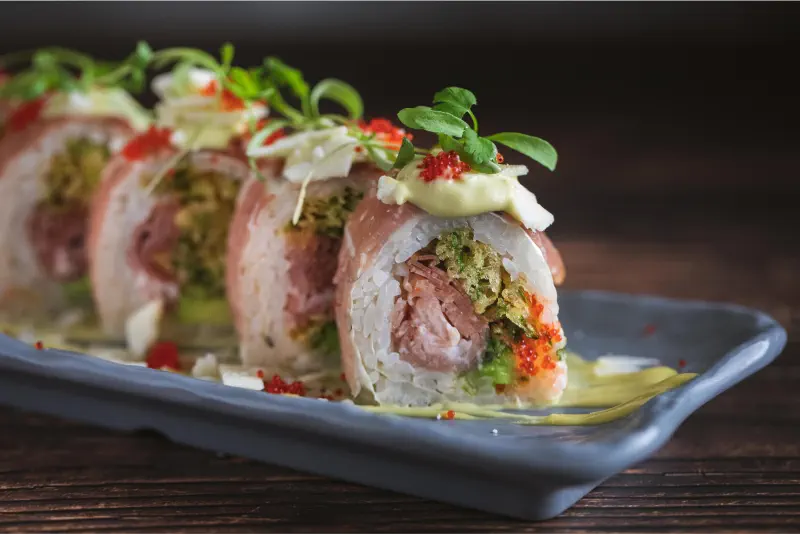
Start with restaurant economics
A restaurant competes differently for weekday lunch, date night, family dinner, delivery, brunch, happy hour, catering, and private dining. We begin with capacity, margin, service readiness, geography, menu priorities, and the guests the operation can serve well.
Identify the hours and services with available capacity, then build messages and targeting around a credible occasion rather than discounting everything.
Examples: weekday lunch, early dinner, late nightFeature products, bundles, tasting experiences, or categories that support the kitchen, average check, brand promise, and guest satisfaction.
Examples: signature dishes, beverage, seasonal menuSeparate everyday reservations from catering, private dining, large parties, celebrations, and corporate events that need a qualified inquiry path.
Examples: private room, catering, group diningUse consented guest data, relevant updates, events, and thoughtful offers to build repeat visits without training every customer to wait for a coupon.
Examples: loyalty, email, SMS, community eventsRestaurant demand system
Marketing must answer what the restaurant is, why it fits this occasion, where it is, what it costs, whether other guests trust it, and how to act now.
Food, atmosphere, people, preparation, chef perspective, location, and occasion make the visit imaginable. Content should reflect what the restaurant consistently delivers, not a visual promise service cannot match.
Diners check menus, current photos, price, hours, parking, dietary fit, reviews, maps, availability, and neighborhood context. Website, Google Business Profile, directories, reservation platforms, and social profiles need consistent facts.
Reserve, join the waitlist, call, get directions, order delivery, request catering, or ask about private dining. The correct next action should be obvious on mobile and measurable where the platform permits.
Email, SMS, loyalty, community programs, remarketing, seasonal news, and useful events can support repeat behavior. Consent, frequency, relevance, and offer economics matter more than message volume.
Campaign timing, reservation inventory, kitchen capacity, staffing, offer rules, platform accuracy, and guest follow-up belong in the same planning conversation.
Protect the guest experience
A campaign can create attention quickly. That does not mean every table, menu item, promotion, event, or ordering channel should be pushed at once. We use operating inputs to decide what deserves demand and when.
Documented restaurant work
Two different restaurant moments: building a growth engine for an established concept and creating market demand before a new restaurant opened.
Heyday connected direct mail, influencer events, paid social, Google Ads, delivery promotions, digital coupons, and weekly email around local demand.
Six months of SEO momentum, paid media, creator seeding, public relations, community integration, discovery-platform optimization, and location recognition supported the launch.
Results belong to each stated client, campaign period, offer, scope, location, and operating context. They do not guarantee the same outcome for another restaurant.
Restaurant marketing measurement
Attribution varies by reservation, POS, ordering, delivery, CRM, phone, and advertising platform. We define available evidence before launch and avoid pretending every seated cover has a perfect digital source.
Local search visibility, profile actions, map requests, menu views, branded search, review volume and quality, website visits, and useful content engagement.
Reservation clicks, completed bookings where available, calls, directions, waitlist joins, online orders, promotion redemptions, and event registrations.
Catering requests, private dining leads, group size, event date, budget or needs, response time, qualification, proposals, and booked business.
Seated covers, order volume, average check, channel fees, offer cost, acquisition cost, daypart performance, capacity, and available revenue data.
Consented list growth, email or SMS response, loyalty activity, repeat reservations or orders where systems allow, and reactivation performance.
Heyday uses the systems and data the restaurant can lawfully provide. POS, reservation, delivery, and marketplace platforms may limit user-level tracking or use different attribution rules. Reporting should state those limits.
How the engagement works
The operating rhythm gives strategy, creative, media, restaurant teams, and measurement one shared sequence.
Review locations, audiences, dayparts, menu priorities, guest journey, market, reputation, technology, current channels, creative, data, budget, and operating constraints.
Select the demand problems worth solving first, define the guest and geographic focus, establish the offer or story, and agree on evidence of progress.
Correct critical listings, menus, landing paths, reservation or inquiry flow, tracking, creative requirements, approvals, response ownership, and campaign dependencies.
Run the agreed content, search, social, creator, PR, email, media, event, or website scope against the restaurant calendar and live capacity.
Review what created qualified attention and restaurant action, what the team could fulfill, what guests experienced, and where the next constraint now sits.
Update targeting, creative, offer, content, landing flow, daypart, budget, follow-up, or operating dependency based on evidence rather than channel habit.
Restaurant marketing FAQ
The best channel mix depends on the concept, stage, location, demand pattern, restaurant systems, creative readiness, and operational capacity.
Prioritize using margin, capacity, guest demand, service readiness, seasonality, and the dayparts or offers the restaurant needs to grow.
Track reservation actions, seated covers, online orders, average check, promotion use, event inquiries, acquisition cost, and repeat activity where systems allow.
Yes when audience fit, access, disclosure, deliverables, usage rights, timing, and the actual guest experience are clear.
No. Promotions should support a specific capacity, margin, product, occasion, or customer objective and include clear terms.
Tracking options depend on each platform, but Heyday can define measurable paths and use available integrations, analytics, and operational data.
Start with the restaurant reality
Tell us the concept, locations, priority dayparts, reservation or ordering systems, operating constraints, current marketing, budget range, and business goal. We will review the request and recommend a focused next step.

Heydi
Heyday Marketing · Online
AI assistant. Responses can be inaccurate. Do not share passwords, payment, health, legal, or other sensitive information. Messages are processed by OpenAI. Privacy details.
Accessibility