Industries/Dealerships

Car dealership marketing agency in Miami

Move the right inventory. Build the next appointment.

Heyday connects automotive search, available vehicles, offer creative, test-drive paths, CRM follow-up, showroom activity, and fixed operations to dealership outcomes across South Florida.

Sales and fixed operationsEnglish and Spanish campaignsInventory-aware measurement
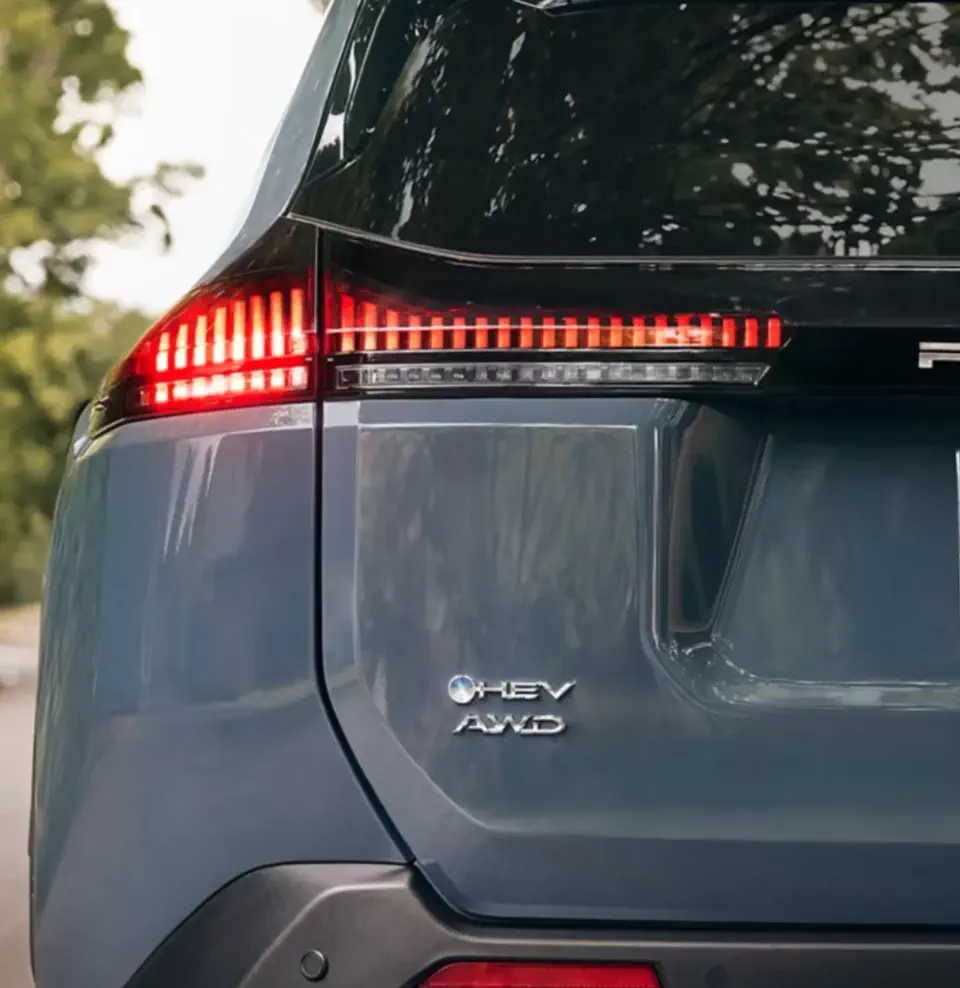
Toyota vehicle featured in Heyday's South Dade Toyota marketing case study
Inventory demand boardSouth Florida
NEWModel intentmatch
USEDAging inventorypriority
TRADEAcquisition demandvalue
SERVICEOwner retentionbook
3x conversionreported Toyota case result

Start with the dealership reality

Equal spend across every vehicle is not a strategy.

Demand changes with availability, aging, margin, incentives, model interest, geographic reach, sales capacity, and fixed operations needs. Marketing should reflect what the store can deliver now and what leadership needs to move next.

01 / New vehicles

Match model demand to available units.

Connect make, model, trim, feature, offer, and local-search intent to accurate inventory and a useful next action. Avoid spending into empty availability or mismatched landing pages.

Inventory / incentives / model intent
02 / Used inventory

Prioritize aging and profitable opportunities.

Used demand depends on vehicle, price, mileage, condition, financing context, geography, and how quickly merchandising reflects the actual unit.

VDP quality / aging / local radius
03 / Trade-ins

Create a credible value exchange.

Trade-in campaigns need transparent expectations, clear valuation steps, CRM context, and fast ownership. A form submission without follow-up is not inventory acquisition.

Appraisal / context / response
04 / Fixed operations

Build value after the sale.

Service, maintenance, tires, parts, recalls, and ownership education can support recurring demand when messaging uses relevant vehicle and customer context.

Service lane / retention / schedule

Automotive customer journey

The lead form sits in the middle, not at the finish line.

A shopper moves through research, inventory confirmation, conversation, appointment, showroom experience, and follow-up. Each handoff can strengthen or waste the media investment.

01 / Research

Earn consideration.

Model comparisons, reviews, feature questions, payment research, video, local reputation, dealership experience, and bilingual information help a buyer decide which stores belong on the list.

02 / Match

Confirm a real vehicle or service path.

Inventory feeds, vehicle detail pages, photos, price language, availability, offer terms, hours, maps, and appointment options should agree. Accuracy is part of conversion.

03 / Contact

Preserve shopper context.

Calls, chat, forms, test-drive requests, trade submissions, and map actions should reach the correct team with vehicle, source, campaign, language, and timing attached where systems allow.

04 / Appointment

Turn response into a committed next step.

Response speed, inventory confirmation, useful answers, scheduling, reminders, and ownership affect whether an inquiry becomes a showroom visit or service booking.

05 / Outcome

Close the measurement loop.

Show rate, test drives, sold vehicles, gross context, trade-ins, service bookings, and reasons for loss reveal more than raw lead count. That learning should change the next campaign.

Clear ownership across the stack

Media, inventory, CRM, and showroom operations must share one definition of success.

Automotive marketing crosses systems and teams. We document dependencies early so a campaign does not promise inventory, pricing, approvals, or response behavior that the operating team cannot support.

Heyday

Strategy and demand

  • Market, intent, audience, and channel planning
  • Creative, content, landing, media, and local visibility
  • Tracking design and performance analysis
  • Bilingual campaign adaptation where scoped
  • Risks, findings, and next-action recommendations
Dealership

Commercial truth and response

  • Inventory, pricing, incentives, dates, and eligibility
  • Manufacturer and regulatory approvals
  • CRM ownership, lead response, appointments, and sales process
  • Service capacity and scheduling operations
  • Outcome data approved for reporting
Platforms and vendors

Technical availability

  • Inventory feeds, DMS, CRM, website, and marketplace behavior
  • Ad review, delivery, attribution, and policy decisions
  • Integration access and field-level limitations
  • Call, chat, reservation, or scheduling data
  • Changes outside agency control

Dealership marketing capabilities

Put every channel in the right lane.

This parent page explains the full dealership growth system. Each specialty page below owns a narrower search intent and deeper execution topic, reducing repeated copy and protecting a cleaner SEO architecture.

01

Facebook and Instagram advertising

Reach local in-market audiences, retarget meaningful engagement, support priority inventory, and test creative against dealership actions.

Explore →
02

Automotive influencer marketing

Coordinate creator fit, access, vehicles, safety, disclosure, content requirements, usage rights, approvals, and measurable distribution.

Explore →
03

Social media strategy

Build a publishing system around inventory, features, people, ownership, service, community, education, and dealership differentiation.

Explore →
04

Automotive content creation

Produce useful walkarounds, feature demonstrations, inventory highlights, salesperson-led video, service education, and campaign assets.

Explore →
05

Email and lifecycle marketing

Use approved CRM segments for relevant lead follow-up, ownership communication, service reminders, trade opportunities, and reactivation.

Explore →
06

Google Ads for dealerships

Capture branded, model, inventory, used, trade, service, parts, and high-intent local searches with accurate landing paths.

Explore →
07

Automotive SEO

Strengthen technical health, local discovery, useful model and service content, internal architecture, listings, and dealership authority.

Explore →
08

Dealership lead generation

Connect calls, forms, chat, test drives, trade submissions, CRM routing, response standards, appointment outcomes, and sales learning.

Explore →
09

Dealership website development

Improve mobile inventory discovery, VDP clarity, offers, trade and finance pathways, service scheduling, speed, accessibility, and tracking.

Explore →
Toyota vehicle from Heyday's South Dade Toyota digital marketing campaign
Automotive case study

South Dade Toyota of Homestead

A multi-channel strategy focused on website traffic, used-car leads, local intent, offers, video, retargeting, and Vehicle Listing Ads.

Read the full case study →

Documented automotive work

More demand, with a stronger path to conversion.

Heyday audited the existing website, SEO, campaigns, and online presence, then focused the program on bottom-of-funnel search, content optimization, Google retargeting and display, relevant landing pages, offer testing, video, and Vehicle Listing Ads.

3xreported conversion rate change from 1% to 3%
500+reported new customers through Google network
$30reported average cost per lead

Focus on used-car demand

The campaign aligned with a stated commercial priority instead of spreading budget evenly across the entire dealership.

Test message and format

Offer variations, video, retargeting, display, and Vehicle Listing Ads were evaluated, with stronger formats scaled after evidence emerged.

Connect traffic to the conversion path

Relevant landing experiences and consistent campaign messages helped turn more of the acquired traffic into dealership action.

Results belong to the stated client, campaign period, inventory, offers, market, budget, systems, and operating context. They do not guarantee the same outcome for another dealership.
Dealership marketing measurement

A lead is a handoff. The outcome happens later.

Attribution across ad platforms, calls, chat, website forms, CRM, DMS, showroom activity, and service systems is rarely perfect. Useful reporting defines each stage and states the limits.

Demand and inventory

Search visibility, vehicle detail views, inventory engagement, offer interactions, calls, directions, and demand by model, used unit, service, geography, and campaign.

Lead quality

Valid contact details, vehicle or service relevance, geography, intent, financing or trade context where appropriate, duplicates, spam, and reasons inquiries are not workable.

Response

Time to first contact, contact rate, meaningful conversations, inventory confirmation, follow-up attempts, channel preference, and appointment offer.

Appointment

Appointments set, confirmation, show rate, test drives, appraisal activity, service bookings, cancellations, no-shows, and rescheduling.

Commercial outcome

Sold vehicles, service repair orders, acquisition source where reliable, available gross or revenue context, cost per outcome, and reasons opportunities did not close.

Heyday works with data the dealership and its vendors can lawfully provide. CRM, DMS, inventory, call, and advertising platforms may use different identifiers and attribution windows. Reporting should separate verified outcomes from modeled or platform-reported results.

How the engagement works

A campaign rhythm that can move with inventory.

Strategy, creative, media, sales, service, website, CRM, and reporting share one sequence and a visible set of dependencies.

01 / Audit

Map demand, systems, inventory, and operations.

Review market, competitors, inventory, aging, priorities, fixed operations, offers, creative, website, feeds, SEO, media, CRM, response process, data access, and approvals.

02 / Prioritize

Choose the commercial jobs.

Define the vehicles, services, geographies, audiences, languages, outcomes, constraints, budget ranges, and measurement rules that matter first.

03 / Prepare

Align inventory, offer, creative, and landing path.

Confirm availability, details, disclosures, approvals, feed behavior, campaign structure, content, forms, calls, CRM fields, routing, and response ownership.

04 / Activate

Launch coordinated demand.

Run the agreed search, social, content, creator, email, local SEO, website, or media work while monitoring inventory and platform conditions.

05 / Reconcile

Connect marketing signals with dealership outcomes.

Compare spend and inquiries with response, appointments, show rate, test drives, sales, service, lead quality, and known operational friction.

06 / Improve

Move budget and effort toward the next constraint.

Update offer, targeting, keyword, vehicle focus, creative, landing path, response workflow, follow-up, or measurement based on the strongest available evidence.

Dealership marketing FAQ

Questions to resolve before scaling spend.

The right channel mix depends on inventory, manufacturer rules, geography, competition, offer quality, creative, website, response process, data access, and store capacity.

Should dealerships market every vehicle equally?

No. Budget should reflect available inventory, aging units, margin, incentives, buyer demand, and the store's ability to respond.

Can dealership marketing support service appointments?

Yes. Service campaigns can use ownership data, seasonal needs, maintenance intervals, local search, and clear scheduling paths.

How should a dealership measure lead quality?

Track contact rate, appointment rate, show rate, test drives, sold vehicles, service bookings, and reasons leads do not progress when systems allow.

Can campaigns run in English and Spanish?

Yes. Creative, offers, landing pages, and follow-up should be adapted and reviewed for each audience rather than translated mechanically.

Who approves vehicle offers and disclosures?

The dealership should approve inventory, pricing, financing language, eligibility, dates, and manufacturer or regulatory disclosures before launch.

Start with the dealership priority

What inventory, appointments, or service demand needs to move?

Tell us the locations, brands, current inventory priorities, fixed operations goals, website and CRM stack, response process, available data, budget range, and business objective. We will review the request and recommend a focused next step.

  • Inventory and fixed-operations planning
  • Search, social, content, CRM, web, and bilingual support
  • Clear approval, attribution, and vendor boundaries
  • Response within one business day

Protected by reCAPTCHA; Google’s Privacy Policy and Terms of Service apply.

What happens next: our team reviews your request and replies within one business day.