Sponsored Products Management for Product-Level Shopping Demand
Structure, test, and optimize cost-per-click campaigns around eligible listings, retail readiness, search terms, margins, and stock.
Sponsored Products Management for Product-Level Shopping Demand
Product-level sponsored advertising; excludes Amazon DSP programmatic media and Sponsored Brands creative or Store strategy.
Sponsored Products management begins with retail readiness. Heyday reviews product eligibility, detail-page quality, pricing, reviews context, inventory, fulfillment, margin, Buy Box conditions when applicable, tracking access, and existing search-term data before changing bids. Advertising cannot compensate for unavailable products or an offer that loses money.







Organize Campaigns Around Products and Decisions
Campaign structure separates products, categories, match types, targeting methods, branded and non-branded demand, launches, proven terms, and controlled discovery. Naming, budgets, negatives, placement adjustments, and decision thresholds make search-term learning usable instead of burying it in one campaign.
Connect Search Terms to Listing Readiness
A relevant click still depends on title, images, price, delivery, reviews, variations, content, and availability. We flag listing and inventory constraints alongside campaign optimization so media decisions do not ignore the retail experience shoppers see after the ad.
Use Economics, Not ACoS in Isolation
ACoS and ROAS need margin, fees, returns, stock, organic behavior, new-to-brand context where available, and product priorities. Targets differ by launch, growth, profitability, clearance, defense, and category objectives. Reporting states the chosen business guardrail.
Control Waste Through Search-Term Learning
Regular review identifies converting terms, irrelevant queries, overlap, placement behavior, budget limits, and product-targeting opportunities. Changes follow sufficient evidence and documented goals instead of reacting to isolated daily swings.
What We Do
Amazon Sponsored Products Management Scope
A bounded engagement with prerequisites, deliverables, owners, and decision signals.
Retail readiness review
Campaign structure
Search-term optimization
Commerce reporting
How We Work
From Readiness to Measured Improvement
Delivery Process
Qualify
Confirm fit, access, prerequisites, owners, constraints, evidence, and measurement.
Plan
Document scope, architecture, inputs, decisions, QA, and reporting before execution.
Execute
Launch or implement approved work with controlled changes and accountable ownership.
Learn
Review agreed signals, limitations, business feedback, and next actions.
Selected Work
See the Work Behind the Strategy
Explore published client stories showing how Heyday combines strategy, creative, media, web, and measurement.
Retail / Consumer Electronics
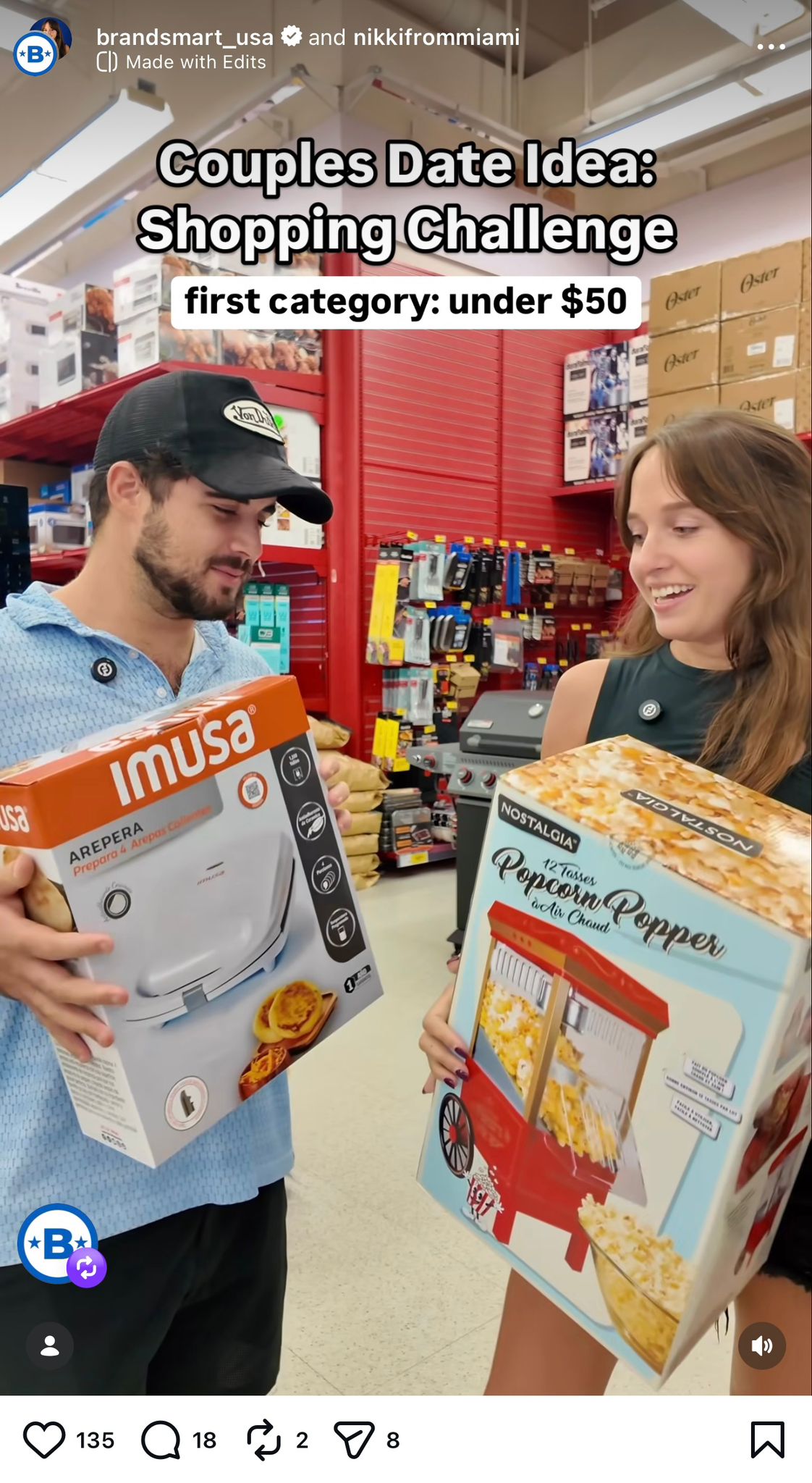
BrandsMart USA: Driving 751K Views for a Holiday Influencer Campaign
How Heyday Marketing and A Day in Miami activated 34 influencers across South Florida to generate 751K views, 151K accounts reache...
Read Case Study →
Luxury Leather Goods
Luxury Heritage. Scaled for Digital Growth.
How Heyday transformed Land Leather's e-commerce channel into a scalable growth engine — achieving +152% revenue growth while pres...
Read Case Study →FAQ
Frequently Asked Questions
Can't find what you're looking for? Contact our team and we'll be happy to help.
Contact UsThey are cost-per-click ads that promote eligible individual product listings in available Amazon shopping placements and supported publisher inventory.
Campaign decisions should reflect available stock, replenishment, fulfillment, seasonality, and product priority. Scaling without inventory creates wasted learning and lost momentum.
No. Decisions also consider margin, fees, returns, stock, product lifecycle, business objective, attributed sales, and available total-sales context.
Listing recommendations are part of readiness review. Copy, imagery, A+ Content, Store, and production are included only when written into scope.
