
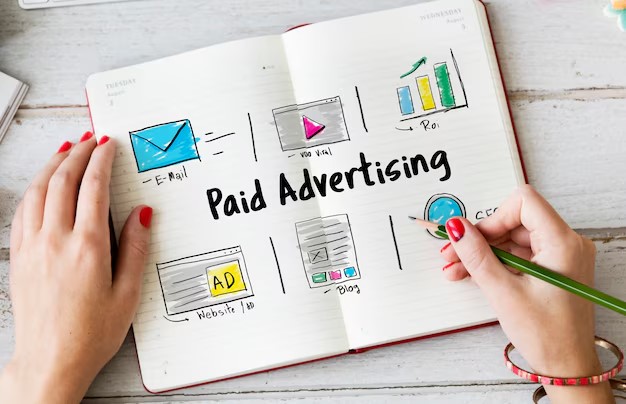
Understanding Paid Media and How It Influences Budgeting
Paid media includes all advertising that requires financial investment to reach targeted users. This typically involves platforms like search engines, social media networks, display networks, and sponsored content channels. This form of advertising plays a major role in performance-driven marketing. It requires careful budget allocation, campaign monitoring, and consistent optimization.Key characteristics that influence paid media budgeting
- Cost variability across platforms
- Real time bidding environments
- Target audience parameters
- Creative requirements
Why Strategic Budgeting Matters for Advertising Success
Budgeting impacts every aspect of your campaigns, from reach and targeting to conversion rates and long term ROI. Without a structured plan, businesses may overspend or underperform.Benefits of effective ad budgeting planning
- Clear allocation of resources
- Improved ROI tracking
- Balanced campaign distribution
- Flexibility in optimization
How to Create an Effective Paid Media Budget
To maximize your ad spend, you must follow a structured planning approach that begins before a single dollar is spent.Step 1: Define Clear Objectives
Your objectives determine how your ad budget is structured. Typical goals include:- Increasing brand awareness
- Driving website traffic
- Generating leads
- Boosting online sales
- Encouraging repeat purchases
Step 2: Analyze Historical Performance
If you have run previous paid media campaigns, historical data provides valuable direction. Key data points to review:- Cost per click
- Conversion rate
- Cost per acquisition
- Impressions and reach
- Return on ad spend
Step 3: Understand Your Industry Benchmarks
Each industry has unique advertising costs, and understanding these differences helps shape a realistic media buying budget. Competitive industries may require higher spending, while niche markets often operate with lower cost thresholds. You can explore media marketing services for additional planning insights. Important metrics to compare:- Average CPC
- Average CPA
- Typical conversion rate
- Budget requirements for competitive bidding
Step 4: Determine Your Target Audience and Platforms
Different platforms serve different audience groups. Your budget must reflect where your ideal customers spend their time. Examples:- Search Ads are ideal for capturing high intent users
- Social Media Ads are useful for brand awareness and engagement
- Display Ads help with retargeting and visual promotion
- Video Ads improve storytelling and message recall
Step 5: Assign a Monthly or Quarterly Budget Framework
A structured timeline helps maintain consistency. Benefits of scheduled budgeting:- Predictable spending
- Easier tracking and reporting
- Flexibility to adjust budgets based on seasonal trends
Step 6: Allocate Budget Based on Funnel Stages
Paid media campaigns typically follow a funnel structure.Top of Funnel (Awareness)
Invest 40 to 60 percent of your budget in campaigns designed to introduce your brand. These campaigns focus on:- Broad reach
- High impression volumes
- Audience education
Middle of Funnel (Consideration)
Allocate 20 to 30 percent of your budget here. These campaigns emphasize:- Website visits
- Engagement
- Retargeting
Bottom of Funnel (Conversion)
Invest 10 to 20 percent of your budget in direct action campaigns. These ads focus on:- Sales
- Sign ups
- Contact form submissions
Techniques to Maximize Your Ad Spend
Once your budget is set, you must use strategic tactics to get the most out of your investment.1. Use Audience Segmentation
Segmenting your audience helps avoid wasted spend and increases ad relevance. Segmentation types:- Demographics
- Interests and behaviors
- Website interactions
- Purchase history
2. Optimize Your Creative Assets
High quality visuals and compelling messaging play a major role in ad performance. Creative optimization tips:- Use clear value propositions
- Test multiple variations
- Prioritize clean and appealing designs
- Incorporate video when possible
3. Implement A/B Testing
A/B testing helps compare performance between different ad variations. Test elements such as:- Headlines
- Images
- Calls to action
- Landing page layouts
4. Monitor Campaigns in Real Time
Paid media platforms provide real time analytics that allow quick adjustments. Monitor:- Spending patterns
- Click through rate
- Cost per action
- Conversion rate
- Frequency limits
5. Use Retargeting for High Value Conversions
Retargeting campaigns encourage users who previously interacted with your brand to complete an action. Benefits include:- Lower conversion costs
- Higher relevance
- Better return on investment
Smart Budget Distribution Across Advertising Channels
Distributing your budget correctly is essential for balanced performance.Channels to consider:
- Search Ads for capturing active intent
- Social Ads for awareness and engagement
- Display Ads for retargeting and brand reinforcement
- Video Ads for storytelling and content depth
- Native Ads for seamless content driven promotion
A Smarter Approach to Paid Media Budgeting Leads to Better Results
Budgeting for promoted media is not only about spending money wisely but also about understanding how each dollar influences campaign outcomes. When combined with strategic planning, clear objectives, ongoing optimization, and thoughtful resource allocation, your media investment becomes significantly more effective. Whether you work with an advertising agency in Miami, collaborate with an advertising firm in Miami, or manage campaigns internally, a well structured budget ensures you make informed choices that lead to measurable success. For advanced support and tailored guidance, contact Heyday Marketing.Frequently Asked Questions
Budgets vary depending on industry competitiveness, platform costs, and campaign goals. Many businesses begin with a smaller test budget to understand performance before increasing their investment.
Paid media costs are influenced by competition, audience targeting, ad quality, and bidding systems. High demand industries or narrow targeting settings typically lead to higher overall expenses.
The ideal platform mix depends on your audience and objectives. Search engines are often used for high intent traffic, while social platforms support awareness, engagement, and audience expansion.
Reducing waste involves regular performance monitoring, improving targeting accuracy, and testing different ad variations. These adjustments help ensure spending is focused on the most effective strategies.
Paid media budgets are generally flexible and can be adjusted as performance trends shift. This adaptability allows businesses to increase spending when results are strong or scale back when improvements are needed.