In today’s competitive digital world, your audience’s inbox is crowded. That’s why crafting an effective email campaigns requires more than just creative writing, it requires strategy, testing, and data-driven insights. This guide explores proven email marketing strategies that can help you boost open rates and nurture lasting audience relationships.
Define Clear Goals and Metrics
Before launching any campaign, it’s important to define what success looks like. Without clear goals, even the best design or content can fall short of expectations. Goals provide focus and make it easier to measure campaign performance.
Why clarity matters
Establishing specific objectives anchors your email efforts. Use the SMART framework (Specific, Measurable, Achievable, Relevant, Time-bound) to set your targets. For example: “Increase open rates by 20% in three months.”
Key metrics to track
- Open rate: Measures the percentage of recipients who open your email.
- Click-through rate (CTR): Tracks how many recipients click a link.
- Click-to-open rate (CTOR): Reflects the relevance of your content.
- Unsubscribe rate: Indicates how well your content resonates.
Tracking these helps refine your email marketing strategies and adjust future campaigns for better performance.
Know Your Audience and Segment Effectively
Your audience isn’t one-size-fits-all, so your emails shouldn’t be either. In digital advertising, segmenting your list allows you to tailor content to specific subscriber interests and behaviors. This step helps ensure each message resonates with the reader.
The power of segmentation
When you divide your audience based on behavior, purchase history, or engagement level, you can send emails that feel more personal. Well-segmented lists consistently outperform mass sends in both open and click rates.
Data-driven audience insight
- Behavioral data: Browsing patterns, purchases, or link clicks.
- Lifecycle stage: New subscriber, active buyer, or dormant contact.
- Preferences: Topics, email frequency, or product categories.
Segmentation also helps improve targeting for specific industries
Craft Compelling Subject Lines and Preheaders
The subject line is the first thing your audience sees, and often the deciding factor in whether they open your message. A great subject line sparks curiosity, sets expectations, and aligns with the content inside.
Subject line best practices
- Keep it short, around 40–50 characters for mobile visibility.
- Use personalization wisely, such as first names or relevant topics.
- Avoid clickbait and excessive punctuation.
- Reflect the email’s real value or topic.
Preheader importance
The preheader supports the subject line by offering context. Instead of repeating the same text, use it to extend curiosity or summarize value like “Your monthly insights and quick tips for better results.”
For expert creative guidance, Heyday Marketing helps brands develop voice and subject-line strategies that connect authentically with their audiences.
Optimize Email Design and Content for Engagement
Once your email is opened, design and structure determine whether readers stay engaged. A clean layout and concise content improve readability and response rates.
Structure for quick reading
- Use short paragraphs and subheadings.
- Add bullet points for easy scanning.
- Highlight important actions or offers visually.
Content relevance and focus
Each email should have one clear purpose, such as promoting a new service or sharing a guide. Overloading too many topics reduces engagement and confuses readers.
Mobile responsiveness and accessibility
Most emails are opened on mobile devices, so your design must be adapted seamlessly. Use legible fonts, clear spacing, and thumb-friendly buttons. Accessibility features like alt text and color contrast enhance inclusivity.
Well-designed campaigns are central to strong email marketing strategies, helping your audience engage faster and more consistently.
Use Personalization, Automation, and Timing
Today’s email personalization goes beyond using a subscriber’s name. The most successful campaigns adapt to user behavior and engagement patterns for timely, relevant messages.
Beyond “Hi [Name]”
Personalize based on what users have done, like browsing a product page or clicking a previous email. This makes your communication feel more human and relevant.
Automation for scale and consistency
Automation helps send the right message at the right time. Set up workflows such as:
- Welcome series: Greet new subscribers.
- Re-engagement emails: Win back inactive users.
- Abandoned cart reminders: Encourage purchase completion.
Automation saves time and ensures consistent engagement core principles of the email marketing strategies used by Heyday Marketing.
Timing and send frequency
Choose send times based on audience data. Avoid overspending, which can lead to unsubscribes, but stay consistent so subscribers anticipate your content.
Maintain Deliverability, List Health, and Compliance
Deliverability is about ensuring your email reaches the inbox. Clean lists and proper authentication are essential for a strong sender reputation.
List quality matters
Remove inactive subscribers regularly. Use confirmed opt-ins and avoided buying lists. These steps keep your domain healthy and engagement high.
Authentication and compliance
Implement SPF, DKIM, and DMARC authentication to verify your sender identity. Always include an unsubscribe option and follow privacy laws like GDPR or CAN-SPAM.
Healthy deliverability ensures your email marketing strategies achieve their full potential rather than landing in spam folders.
Test, Analyze, and Optimize Continuously
Testing isn’t optional, it’s what separates good campaigns from great ones. Continuous optimization allows you to understand what resonates most with your audience.
A/B testing essentials
Experiment with subject lines, sender names, CTA buttons, or content order. Test one variable at a time to isolate performance impact.
Use the right metrics
Monitor open rates, click rates, and conversions. If open rates are low, re-evaluate your subject lines or timing.
Iterate and refine
Every campaign offers insight into the next one. Over time, testing transforms your process into a finely tuned system that increases engagement.
Heyday Marketing’s email marketing experts specialize in helping brands build data-driven cycles of improvement.
Develop a Value-Driven Content Strategy
Your audience subscribes for a reason they expect valuable, relevant content. Planning what to send and how often ensures steady engagement without overwhelming subscribers.
Types of emails
- Welcome series: Introduce your brand story.
- Newsletters: Share insights or tips.
- Promotional emails: Offer limited-time deals or product launches.
- Triggered flows: Re-engage or upsell to customers.
Frequency and consistency
Stick to schedule whether weekly or monthly to keep subscriber’s familiar with your rhythm.
Integrate Email with Other Marketing Channels
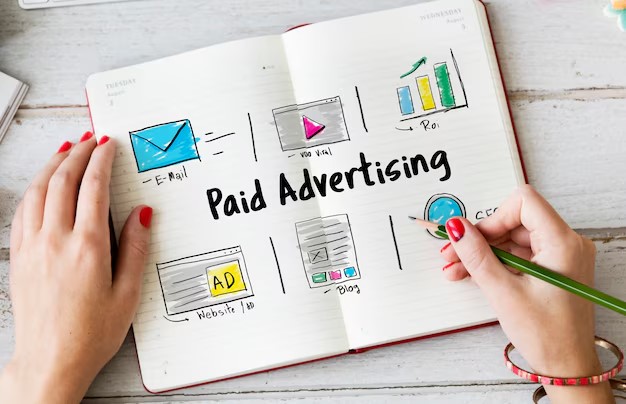
Email should work alongside your other digital efforts. When combined with content marketing, social media, and paid ads, it reinforces your overall message and increases visibility.
A subscriber who clicks through an email can be retargeted on social platforms or invited to explore your blog. This cross-channel approach boosts recognition and engagement while maintaining consistency across all touchpoints.
For integrated digital marketing solutions, explore Heyday Marketing’s website to see how coordinated strategies enhance results.
Final Thoughts
Building an effective email campaign takes time, insight, and continuous learning. By setting clear goals, understanding your audience, crafting irresistible subject lines, and optimizing each message, you can consistently increase open rates and engagement.
Strategic email marketing strategies are the foundation of meaningful communication between brands and audiences. When applied consistently just as we do at Heyday Marketing, they lead to stronger relationships, improved deliverability, and measurable success.
Frequently Asked Questions
A good open rate for email campaigns depends on industry, list quality and segment size, but generally anything above 20-25% is considered strong. However, the real measure is improvement over your previous average. We focus on relative gains and industry-specific benchmarks rather than one universal figure.
Start by using double-opt-in for subscriptions, maintaining clean lists with low inactivity and bounce rates, authenticating your domain (SPF/DKIM/DMARC), avoiding spam-triggering language, and monitoring engagement metrics. These practices support higher inbox placement.
The ideal frequency depends on both segment expectations and content value. You might begin with a consistent cadence such as monthly newsletters and supplements with triggered emails. The key is to track engagement and unsubscribe rates; if those deteriorate, you may need to reduce frequency or improve relevance.
No. While addressing the recipient by name is a nice start, the most effective personalization tailors content based on behavior, preferences or lifecycle stage. Behavior-based segmentation and dynamic content significantly boost performance.
While open rate and click-through rate are common, the most meaningful metrics depend on your goals. For revenue-focused campaigns, conversion rate, average order value and revenue per email are key. For engagement-focused campaigns, examine click-to-open rate (CTOR), time spent reading, and list growth vs. churn. Tracking a balanced set of metrics helps you understand both immediate engagement and long-term audience health.