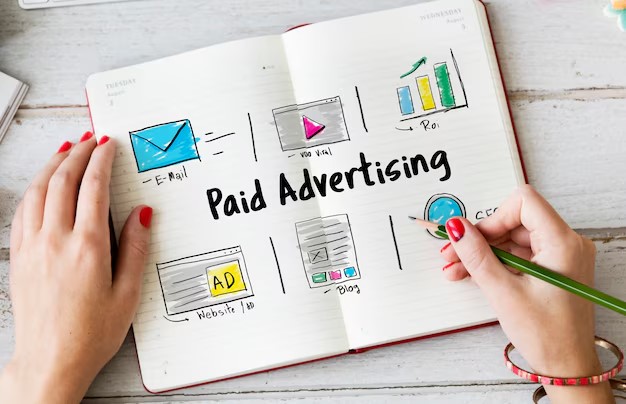

Social media marketing has become a core growth channel for modern businesses, offering tools that allow brands to connect with audiences at scale. Among Facebook’s promotional options, Facebook Ads and Boosted Posts are often confused or used interchangeably. While both increase visibility, they are built for different purposes and outcomes. In this guide, Heyday Marketing explains how each option functions, what separates them strategically, and how businesses can use them effectively within a broader digital strategy.
Understanding Facebook Ads
Facebook Ads are structured campaigns built through Meta’s Ads Manager, designed for businesses that want measurable results and long-term growth. These ads are powered by algorithms that optimize delivery based on selected objectives, making them highly effective when used strategically.
Unlike basic promotions, Facebook Ads support every stage of the marketing funnel, from brand awareness to conversions. This makes them a preferred choice for businesses focused on performance and scalability.
Key characteristics of Facebook Ads include:
- Clearly defined campaign objectives
- Advanced audience targeting and segmentation
- Multiple ad formats and placements
- Flexible budget and bidding options
- Detailed reporting and optimization tools
Understanding Boosted Posts
Boosted Posts are existing Facebook posts that are promoted to reach a wider audience with minimal setup. This option is designed for simplicity, allowing businesses to increase visibility without navigating Ads Manager. While Boosted Posts can drive engagement, they lack the strategic depth needed for complex campaigns. They are best viewed as a visibility tool rather than a full advertising solution.
Common features of Boosted Posts include:
- Quick promotion from published content
- Limited targeting capabilities
- Focus on likes, comments, and shares
- Fixed engagement-based objectives
- Basic performance insights
Strategic Differences Between Ads and Boosted Posts
The strategic distinction between these tools lies in intent and execution. Facebook Ads are built for controlled experimentation, optimization, and growth, while Boosted Posts are designed for immediate exposure. Understanding this difference helps businesses avoid misaligned expectations and ensures marketing budgets are used effectively within a social media marketing plan.
Core strategic distinctions include:
- Ads support full-funnel marketing strategies
- Boosted Posts emphasize short-term reach
- Ads allow creative testing and scaling
- Boosted Posts offer minimal customization
Audience Targeting Capabilities
Targeting determines who sees your message, making it one of the most important elements of campaign success. Facebook Ads provide robust targeting tools that allow businesses to reach specific audiences with precision. Boosted Posts offer fewer targeting options, which can limit efficiency, especially for businesses aiming to reach niche or high-intent users.
Targeting advantages of Facebook Ads include:
- Custom audiences from customer data
- Lookalike audiences for expansion
- Interest and behavior-based targeting
- Location-based targeting for local campaigns
- Retargeting website visitors
Budget Control and Cost Management
Managing ad spend effectively is essential for maximizing return on investment. Facebook Ads allow businesses to control budgets at both campaign and ad set levels, offering flexibility as performance data becomes available. Boosted Posts use simplified budget settings, which can be helpful for quick promotions but limit long-term optimization opportunities.
Budget-related considerations include:
- Daily and lifetime budget options
- Automated budget optimization
- Cost-per-result tracking
- Manual bid adjustments
- Fixed spend limits for Boosted Posts
Performance Tracking and Analytics
Data-driven decision-making is a major advantage of Facebook Ads. Ads Manager provides detailed insights that help marketers understand how users interact with campaigns across platforms. Boosted Posts deliver basic engagement metrics, which may be useful for visibility tracking but lack the depth required for conversion-focused strategies.
Analytics capabilities include:
- Conversion tracking and event data
- Audience and placement performance breakdowns
- Creative-level insights
- A/B testing functionality
- Limited metrics for boosted content
Role of Content in Campaign Success
Regardless of the promotion method, content quality significantly impacts results. Clear messaging, strong visuals, and relevant calls to action influence how users engage with ads. Boosted Posts rely heavily on organic content performance, while Facebook Ads allow for multiple creative variations to test and refine messaging.
Important content considerations include:
- Visual consistency with brand identity
- Clear and concise value propositions
- Mobile-first design formats
- Engaging headlines and captions
- Adaptability across placements
Ideal Use Cases for Boosted Posts
Boosted Posts work best when businesses want fast exposure without complex strategy. They are often used to support organic content or highlight timely updates. Many brands include boosting as part of broader social media marketing services to complement paid campaigns.
Effective use cases include:
- Promoting events or announcements
- Increasing visibility for high-performing posts
- Supporting community engagement
- Highlighting time-sensitive updates
- Testing content appeal
Ideal Use Cases for Facebook Ads
Facebook Ads are ideal for businesses focused on growth, lead generation, and measurable outcomes. Their advanced features support strategic planning and long-term optimization. Companies investing in professional social media marketing services often rely on Facebook Ads to drive consistent results.
Best scenarios for Facebook Ads include:
- Lead generation and sales campaigns
- Retargeting previous visitors
- Launching new products or services
- Scaling successful campaigns
- Supporting long-term growth strategies
Impact of Campaign Objectives
Campaign objectives determine how ads are delivered and optimized. Choosing the correct objective ensures that Facebook’s algorithm prioritizes the right actions. Boosted Posts offer limited objective options, while Facebook Ads support objectives aligned with every stage of the customer journey.
Objective alignment examples include:
- Awareness for brand exposure
- Engagement for interaction
- Traffic for website visits
- Conversions for sales or leads
- Retargeting for remarketing
Importance of Local Marketing Strategies
Local targeting plays a key role in helping businesses connect with nearby audiences. Facebook Ads offer precise geographic targeting that supports local visibility and engagement. For brands focused on social media marketing in Miami, these tools help reach the right audience while supporting ongoing social media management in Miami.
Local marketing advantages include:
- City and radius-based targeting
- Community-focused messaging
- Event promotion capabilities
- Strong local brand presence
- Improved engagement with nearby users
Combining Facebook Ads and Boosted Posts
Using both tools together can create a balanced strategy. Boosted Posts can increase engagement, while Facebook Ads drive conversions and deeper interactions. Many businesses boost organic posts first, then convert high-performing content into full ad campaigns.
Benefits of a combined approach include:
- Improved organic reach
- Content validation before scaling
- Reinforced messaging across platforms
- Better allocation of ad budgets
- Stronger overall social media marketing performance
Long-Term Impact on Business Growth
Sustainable growth requires consistency and optimization. Facebook Ads provide data that helps businesses refine strategies and improve performance over time. Boosted Posts may generate short-term engagement, but Ads are more effective for achieving long-term objectives.
Growth-focused considerations include:
- Learning from audience behavior
- Refining targeting strategies
- Improving creative effectiveness
- Increasing return on ad spend
- Supporting broader marketing goals
Choosing the Right Option for Your Business
Selecting the right tool depends on goals, budget, and internal expertise. Businesses should evaluate whether they need simplicity or advanced performance capabilities. Partnering with professionals offering social media marketing services can help align strategy with objectives.
Decision factors include:
- Marketing goals and timelines
- Budget flexibility
- Internal resources
- Reporting needs
- Long-term growth plans
Conclusion
Understanding the differences between Facebook Ads and Boosted Posts is essential for effective social media marketing. Boosted Posts offer convenience and quick engagement, while Facebook Ads provide advanced targeting, analytics, and scalability. Choosing the right approach or combining both can significantly impact business success. With expert guidance from Heyday Marketing, businesses can develop strategies that drive meaningful results. To learn how these tools can support your goals, contact us today for personalized assistance.
Frequently Asked Questions
Facebook Ads are created through Ads Manager and offer advanced targeting, objectives, and analytics. Boosted Posts are simplified promotions designed mainly to increase post visibility and engagement.
Boosted Posts can help small businesses gain quick exposure and engagement. However, Facebook Ads typically provide better targeting and performance for long-term growth.
Costs vary depending on targeting and competition. While Ads may appear more complex, they often deliver a lower cost per result when optimized correctly.
Boosted Posts primarily drive engagement rather than conversions. Facebook Ads are better suited for lead generation and sales-focused campaigns.
Consistent campaigns with ongoing optimization tend to produce better results than short-term promotions. Regular testing and refinement improve performance over time.